
The weather in England is usually mild, but you still need to take care whatever the weather
Outdoor Safety
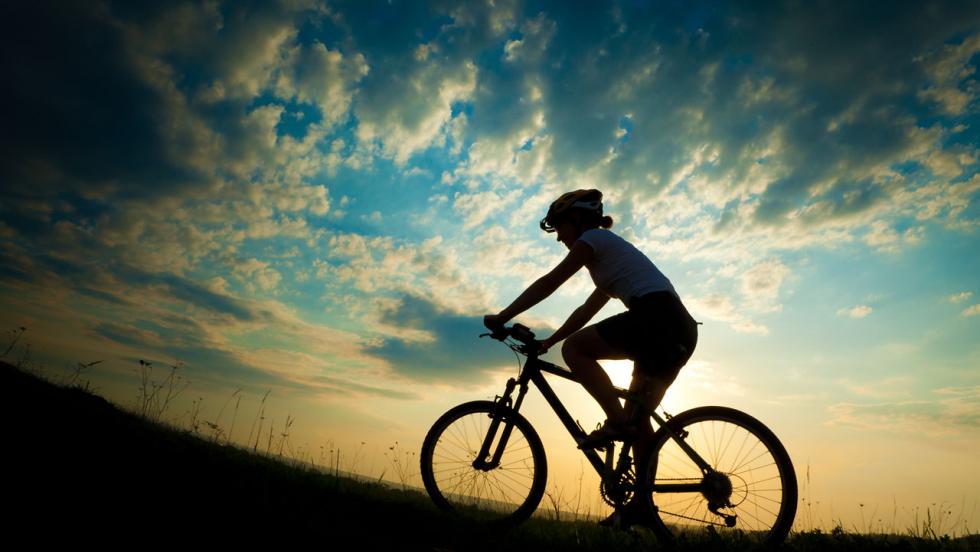
When heading out and about there are things that you should be aware of, and steps that you can take to help keep yourself safe.
Dress for the weather
When weather gets brighter it can be tempting to take off layers, but being prepared for weather to get colder or wetter is part of travelling well.
As it gets colder and darker in the evenings you need to be prepared with clothes that keep you warm and seen.
Good to know: There are lots of benefits to spending time outdoors and taking a daily walk or cycle is great for your health. NHS have a helpful guide to walking to help your health.
Being aware of floods
Some parts of Oxfordshire flood in wet weather. This causes inconvenience and damage, but can also be dangerous:
- Unexpected floods or currents can knock you off your feet or bicycle
- Floods hide the edges of waterways, so you can accidentally enter deep water or stray off paths
- Flood water is dirty and murky, covering obstacles and dangers like storm drains
Take Action: Learn about river and waterway safety.
Freezing weather
Sometimes ice forms on canals, rivers and lakes. But this is not thick enough to walk across. Don’t risk falling in, stay away from the edge of the ice.
If someone falls in:
- Don’t follow them onto the ice
- Call emergency services (999)
- Only help from land.
If you walk a dog, make sure to keep it on a lead so they don’t stray onto the ice.
Snow and ice can bring hazards of slides and slips. Take extra care when you’re walking and wear grippy shoes. If you bike or drive, move slowly and allow extra time for braking.
Crucial: Cold and wet? You may feel fine, but still need to get warm and dry as soon as possible, especially if you are ill, hungry, thirsty, tired, or have been drinking or taking drugs. Hypothermia is extremely dangerous.
Be Sun Smart
Sunburn damages your skin. Make sure that you take extra care to protect yourself from the sun.
- Use sunscreen and reapply often
- Wear sunglasses to protect your eyes
- Cover up with long sleeves and a hat
- Stay hydrated - drink plenty of water
- Try to avoid the sun from 11am-3pm - seek shade to protect yourself
Crucial: If you’re travelling abroad the UV index could be higher. Take extra care to avoid too much sun exposure. NHS have advice on sunscreen and sun safety.
Find out more
Guidance from the UK Health Security Agency on staying safe in hot weather
External site
Related information pages
River Safety
Oxfordshire is a county of rivers, canals and waterways, knowing how to be safe around water is a key life skill

Alcohol & safer drinking
Young people are drinking less alcohol than they used to, but drinking heavily and getting drunk is still a risk
Last updated