
Mental health conditions are very common and there is lots of support available
Mental Health Conditions

Many people live happy, fulfilling lives while managing a mental health condition - you probably know some without even realising it.
Sometimes, though, extra support can make a big difference.
If you’re worried about yourself or a friend, the most important thing is to reach out and talk to someone who can help, like your School Health Nurse.
You are not alone, and support is always available.
Find out more: Oxfordshire Health have created informative films that help to explain mental health conditions which affect young people.
Supporting your mental health
Taking care of your mental wellbeing always matters and there are lots of simple ways you can do this. These include:
- Practicing regular self-care
- Staying connected with others
- Keeping as active as you can
- Getting the right amount of sleep
Oxfordshire CAMHS have lots of good advice on ways to support your mental health.
Good to know: Childline have lots of information on ways to support your mental wellbeing and places you can access support.
When should I seek help?
It can be difficult to know when to seek help with your mental health but seeking advice may be a wise idea if you’re:
- Worrying more than usual
- Finding it hard to enjoy things
- Having worrying thoughts which are hard to cope with
Good to know: Support is available from Tellmi. Tellmi is a free wellbeing support app for young people in Oxfordshire. It is a safe, anonymous app where you can talk about anything.
Where can I go to get support?
If you are worried about your mental health it is important to talk to someone. This could be a parent or carer, trusted adult at your school, your School Health Nurse or your GP.
Many mental health concerns can be supported at home and at school.
Some people need more support. CAMHS (Child and Adolescent Mental Health Services) is an NHS service which assess and treat young people with emotional, behavioral or mental health difficulties.
Instant expert: Oxfordshire CAMHS Mental Health Self Care Guides provide information around Eating Disorders, Learning Disabilities, Gender Identity, and more.
How can I support my friend?
If you notice someone acting differently, ask them if they’re okay, not once, but twice. If you are still worried about them, talk to an adult you trust.
If all they need is support from a friend, you could:
- Invite them for a coffee
- Go for a walk
- Listen and be there for them
Instant Expert: Young Minds have put together helpful information and ways to support a friend with their mental health.
What is Neurodiversity?
Neurodiversity refers to the range of differences in individual brain functions and behaviours.
There are many different types of Neurodiversity, these include:
- Autism
- ADHD
- Dyslexia
Find out more: This short film from Oxfordshire Health offers some more in-depth information on Neurodiversity.
Related information pages

Staying Healthy and Happy
Taking action to support your health and wellbeing helps you live life to the full

Supporting your mental wellbeing
Simple steps to help you support your mental wellbeing and places where you can access support
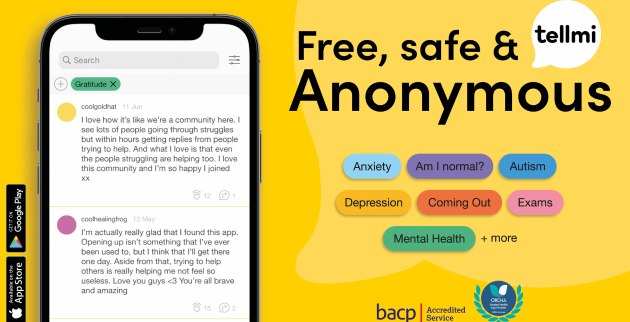
Tellmi app
Tellmi is a free anonymous peer support app for 11-19 year olds across the Oxfordshire region. It is 100% pre-moderated which means users are able to speak about their issues in a safe and supportive environment

Find an Activity
Doing fun activities in your free time boosts your wellbeing, extends your social group and helps you learn

Stress and anxiety
Information, tips and support links to help reduce feelings of stress and anxiety
Last updated