
A form of child abuse which targets a child (up to age 18), to sexually abuse them
Child Sexual Exploitation
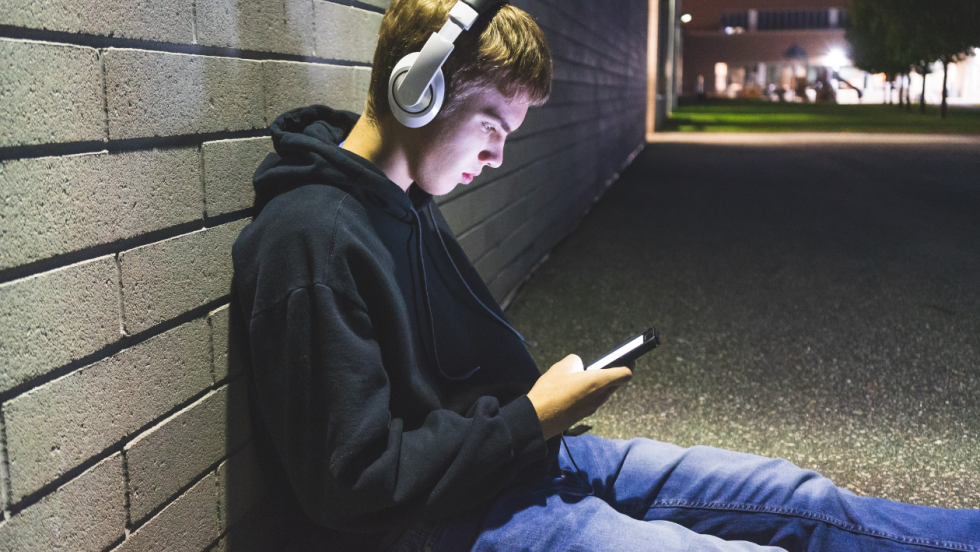
Child sexual exploitation (CSE) is when someone else (an adult or another young person) engages a child (anyone under 18) or a vulnerable young adult in sexual activity, including online.
Crucial: Child sexual exploitation is a crime. If you are being abused or are worried about someone else you can call the MASH (Multi-Agency Safeguarding Hub) or contact the police.
What is Child Sexual Exploitation?
Child sexual exploitation is a form of child sexual abuse. It happens where an individual or group persuades or deceives a child or young person under the age of 18 into sexual activity, including online.
Crucial: There is also help available, if things are going wrong but you are not sure whose fault it is, or if you are worried about your own behaviour. Organisations like Shore can help alongside local services like your School or College Health Nurse.
Spotting the signs
All situations are individual and different. What matters is how you feel and whether harm is occurring.
But there are some potential warning signs:
- Adults show the child a lot of interest and affection in person or online.
- Adults may invite the child to other locations and ask them to keep locations secret.
- Adults may offer the child money or gifts.
Once a relationship is established, they may also do other things like threatening to hurt themselves or other people, or lying to you, for example by saying to you that nobody cares and the abuse cannot be stopped.
Crucial: In reality the child is being abused and all professional adults, including teachers, police, sports coaches, and social workers must by law act to stop that abuse.
Am I being groomed?
Making a new friend is an exciting time. There is lots to find out about each other. But sometimes people pretend to be friends in order to hurt, abuse, bully or exploit other people.
This can happen with older people or with people your own age. This can happen in your neighbourhood, family, or online.
Everyone has the right to feel safe. If a friendship is making you feel unsafe, then you can say no to further contact. This is not rude or unfair to the other person. This is taking care of yourself.
Experience: My name is Luzia* (name changed to protect the identity) and when I was 13 I was groomed and abused. If something bad is happening to you speak out, shout loud, trust a safe adult and tell. Don't be alone - there are good people out there who will help you.
Spotting risk online
We know a lot about online risk. But there might be some situations, for example when you are talking to someone you know already, where risk might be harder to spot.
Some signs that a conversation may be becoming risky:
- They want you to message them from inappropriate places, like the bathroom or bedroom
- Lots of messages when you should be doing other things, like sleeping or school work
- Asking to keep conversations secret or to lie, or not trust your family or friends
Sometimes the people we are talking to are trying to get help. Suggesting to them that they contact a suitable helpline and ending the conversation is enough.
Instant Expert: Find out more about online grooming from Childline, including how to report concerns, where grooming happens and what you can do to stop it.
Find out more
You can contact Childline any time on 0800 1111 or talk online to Childline counsellors
External site
Working with children, young people and families to protect children from all kinds of abuse
External site
Advice pages focusing on some of the difficult things you might be dealing with.
External site
Support for survivors of sexual abuse, rape and harassment across Oxfordshire.
External site
Related information pages

Sexual Assault & Rape
Rape and Sexual assault is when someone touches you in a way that is inappropriate and against your wishes (does not give consent), this is against the law.
Types of Abuse
Support is available if abuse is happening to you, or somebody you know
Last updated