
Bullying happens because of an imbalance of power, but there are positive steps you can take to stop bullying
Anti-bullying: why are some people bullies?
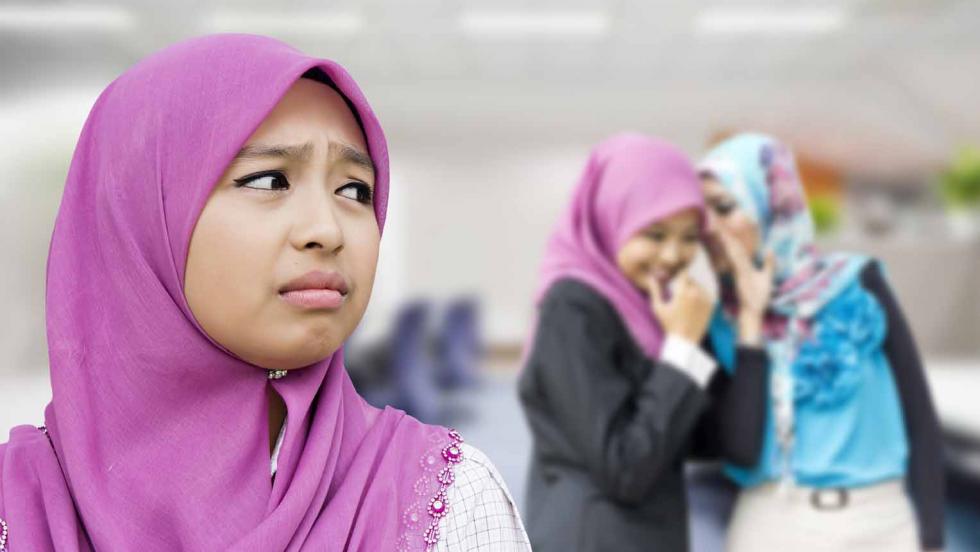
It is everyone's responsibility to take action to stop bullying.
Schools and settings have rules and policies to make sure everyone knows that bullying behaviour is unacceptable.
If bullying is happening, then everyone needs to be supported and helped to stop the bullying.
Crucial: Research shows that calling people bullies or victims does not help. It is better to say that bullying behaviour is unacceptable.
Why do people bully?
Most children and young people do not bully other people.
When bullying behaviour happens, it might reflect something like them being unhappy or having problems in their life. But many people have problems and most do not bully other people.
Sometimes bullying is minimised or excused by saying "I'm just having fun" or "It's just banter". But behaviour that causes stress or upset to others is bullying and needs to change.
Take action: Childline have lots of information on bullying, including how to deal with bullying, where you can access support, and ways to support your mental health.
There is no reason to bully
In most cases of bullying there is no reason. The bullying behaviour is random and impulsive and done without much thought about the other person.
But some things may make individuals more vulnerable for example:
- Some kinds of disabilities
- People having arguments
- Levels of confidence
But none of these are reasons for bullying to happen. If bullying is happening you can tell anyone at your school or setting and they will support everyone to make sure the bullying stops.
Crucial: When people target another person because of a characteristic like gender, sexual identity and orientation, race or cultural identity, this is not bullying. It is discrimination.
Find out more
Explore different issues around bullying on the Childline website
External site
The Anti-Bullying Alliance works to stop bullying, raise awareness, and create safer environments for children and young people
External site
Related information pages
Anti-Bullying
If you or someone you know is experiencing bullying, there are ways to take action and get support
Anti-Bullying: Be safe and happy
No one has the right to make you feel unsafe. If you are having a problems with bullying or friends, it's important to ask for help
Gangs
Information, help and sources of support if you are worried about gangs
Last updated