
Support is available if abuse is happening to you, or somebody you know
Types of Abuse
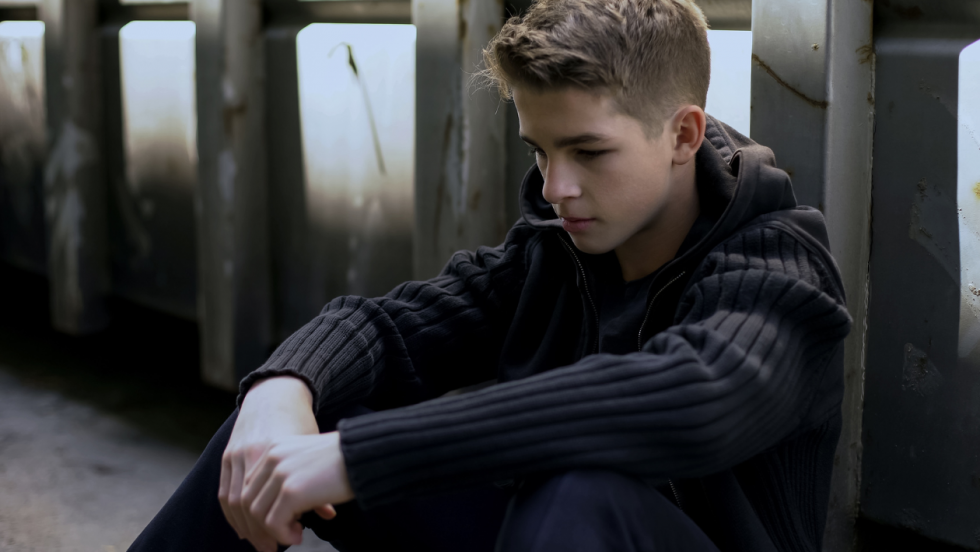
Abuse is against the law. If you or someone you know is being hurt or abused by an adult or another child then that person is breaking the law.
Report the abuse. Ask for help. If you need to, keep reporting and asking for help until you get it.
Crucial: It's NOT your fault. If abuse is happening, you are not to blame for what's going on.
What is abuse?
There are four main kinds of abuse:
- Physical abuse – someone hurts you or causes injury
- Neglect – someone ignores your needs (physical and emotional)
- Sexual abuse – someone forces or pressures you into sexual acts
- Emotional abuse – someone makes you feel unhappy, abandoned, or worthless
In most cases the abuser will sometimes be abusive and at other times be kind.
Instant Expert: Neglect is one of the most dangerous and harmful kinds of abuse, but it can be hard to recognise. This can be because it happens as part of another problem, like a parent being depressed or having a drug or alcohol problem. Find out more about Neglect from the NSPCC.
Other kinds of abuse
You might hear about other kinds of abuse, including:
- Child Sexual Exploitation
- Radicalisation
- Modern Slavery
- Female Genital Mutilation
- Fabricated or Induced Illness
- Cyberbullying
These usually combine violence and bullying with other abuses like financial abuse and grooming. Criminal Exploitation can also happen, where adults groom children to help them commit crimes.
Crucial: Adults who abuse children may tell the child that they will get in trouble if they tell anybody. This is a lie. If a child tells someone that abuse is happening action will be taken to stop the abuse and support the child, even if they have done something illegal.
Tell someone what is going on
When a person is being abused, they may find it hard to tell.
If abuse is happening, then it can be stopped more quickly if you tell people. Abuse that seems obvious to you may not be visible to others.
Telling can also help you feel better, because you are making a positive action to stop the abuse.
Telling will also support the abuser can get the help they need to stop abusing.
Crucial: If the abuser is a person you want to carry on seeing, and it is safe for you to do so, you will be supported and your wishes will be respected.
Who can I tell?
You can tell any trusted adult at your school, youth club, or setting. You can also tell:
- A teacher, sports coach, or other trusted adult
- A GP or the school health nurse
- A Social Worker, Link Worker, Family Worker or Youth Worker
- Any worker at a Children and Family Centre
These people have been trained, and will know what to say and do to help you. You can also:
- Contact Childline free and confidential on 0800 1111
- Report Child Abuse on the Oxfordshire County Council website
Crucial: Call the police on 999 if you or anyone else is in immediate danger. You can also call 101 or report a crime on the Thames Valley Police website, if it is not an emergency.
Abused by someone my own age?
Where the person abusing you is another child (someone aged under 18) you still need to report the abuse. Both of you will be helped.
Anyone who is aware of the abuse can talk to a trusted adult or make a report.
Take action: Find information and advice on different types of abuse on NSPCC.
Find out more
Support for young victims of crime, including domestic abuse. If you live in Oxfordshire, you can self refer to the service.
External site
Call childline free and confidential on 0800 111, email, chat online, and get information.
External site
Related information pages
Domestic Abuse
Domestic abuse is when someone is being hurt or victimised by their partner. It is a crime.
Anti-Bullying
If you or someone you know is experiencing bullying, there are ways to take action and get support
Sexual Assault & Rape
Rape and Sexual assault is when someone touches you in a way that is inappropriate and against your wishes (does not give consent), this is against the law.
Last updated